


Eco-Friendly Natural Erosion Control Blankets: Protecting Your Shoreline the Green Way
When it comes to protecting your property from erosion, especially along the beautiful Great Lakes shoreline, you want solutions that work and respect the environment. Traditional methods like concrete seawalls can be harsh on nature and costly to maintain. That’s why I’m excited to share with you the benefits of natural erosion control blankets—a smart, eco-friendly way to safeguard your land while supporting local ecosystems.
Let’s dive into what makes these blankets a game-changer for shoreline protection and how you can use them effectively on your property.
What Are Natural Erosion Control Blankets and Why Should You Care?
Natural erosion control blankets are biodegradable mats made from organic materials like coconut fiber, straw, or wood excelsior. They’re designed to cover soil on slopes, banks, or shorelines to prevent erosion caused by wind, rain, and water runoff. Unlike synthetic mats, these blankets break down over time, enriching the soil and encouraging vegetation growth.
Why is this important? Because erosion doesn’t just wash away dirt—it can damage your property, harm water quality, and disrupt local habitats. Using natural erosion control blankets helps you:
Stabilize soil naturally without harsh chemicals or plastics.
Promote healthy plant growth that anchors the soil.
Protect water bodies from sediment pollution.
Support wildlife by preserving natural habitats.
Plus, they’re perfect for the Great Lakes region, where fluctuating water levels and seasonal storms can accelerate shoreline erosion.
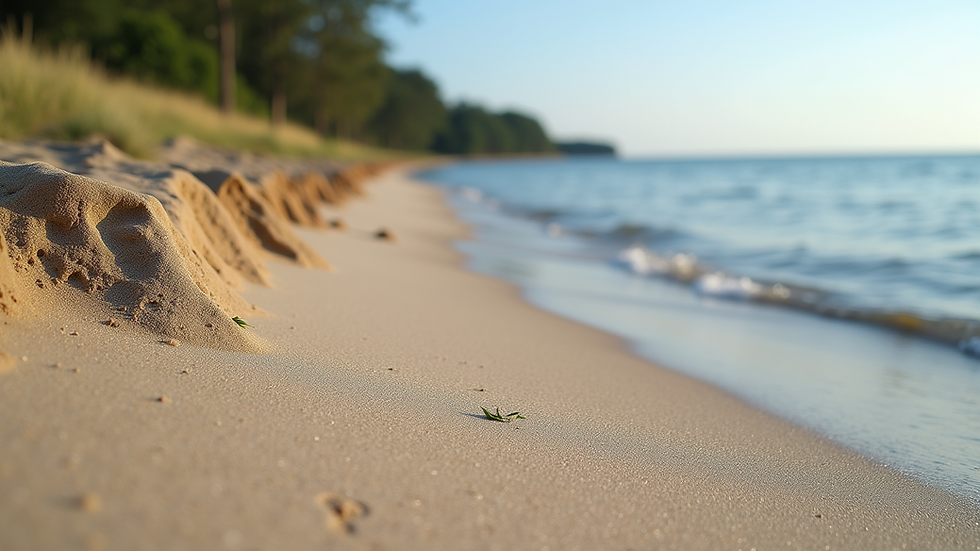
How Natural Erosion Control Blankets Work: A Closer Look
You might wonder, how exactly do these blankets protect your land? Here’s the scoop:
Immediate Soil Protection
Once installed, the blanket acts as a shield against raindrops and wind, reducing soil displacement right away.
Moisture Retention
The organic fibers hold moisture, creating a favorable environment for seeds to germinate and roots to establish.
Vegetation Support
As plants grow through the blanket, their roots bind the soil, creating a natural barrier against erosion.
Gradual Decomposition
Over time, the blanket decomposes, adding organic matter to the soil and improving its structure and fertility.
This process means you get both short-term protection and long-term soil health benefits. It’s a win-win!
Will Grass Grow Through Erosion Control Blanket?
Absolutely! One of the best things about natural erosion control blankets is that they’re designed to work with nature, not against it. Grass and other vegetation can easily grow through the blanket’s porous structure.
Here’s how to make sure your grass thrives:
Choose the right blanket thickness: Thinner blankets allow easier root penetration but still provide protection.
Seed before installation: Spread grass seed on the soil, then lay the blanket on top to keep seeds in place.
Secure the blanket properly: Use stakes or pins to keep it tight against the soil, preventing gaps where erosion can start.
Water regularly: Keep the area moist until the grass is well established.
With these steps, you’ll see green shoots pushing through in no time, creating a lush, erosion-resistant landscape.
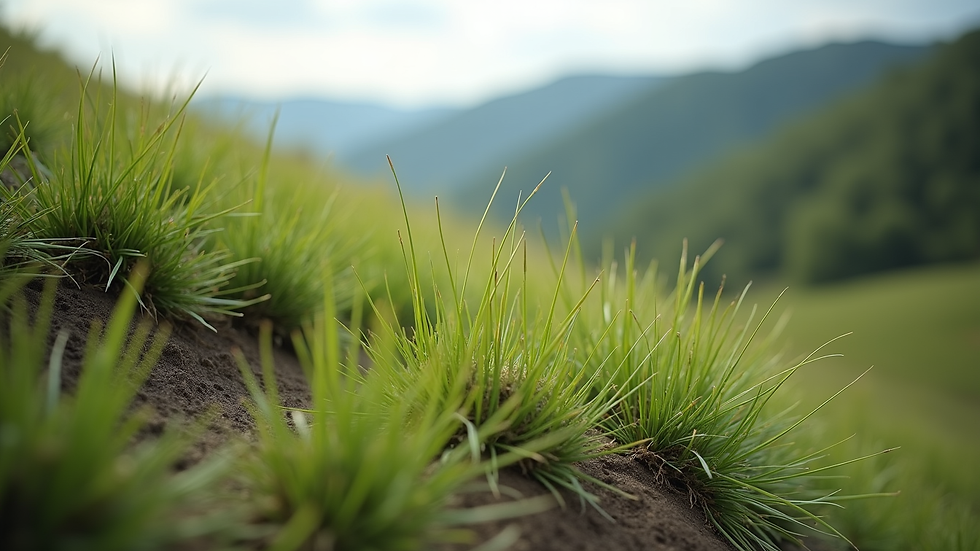
Why Choose Coir Erosion Control Blankets for Your Shoreline?
If you’re looking for a natural option that’s both effective and sustainable, **coir erosion control blankets** are a fantastic choice. Made from coconut husk fibers, coir is strong, durable, and naturally resistant to decay.
Here’s why coir stands out:
Long-lasting protection: Coir blankets typically last 1-3 years, giving plants plenty of time to establish.
Excellent water retention: The fibers hold moisture well, helping seeds germinate even in dry conditions.
Eco-friendly: Coir is a renewable resource and fully biodegradable, leaving no harmful residues.
Wildlife-friendly: It provides habitat for beneficial insects and microorganisms that support soil health.
For Great Lakes property owners, coir blankets offer a resilient, natural way to combat erosion while enhancing the beauty and biodiversity of your shoreline.
Practical Tips for Installing Natural Erosion Control Blankets
Ready to give your shoreline the protection it deserves? Here are some practical tips to get the best results:
Prepare the site
Remove debris, level the soil, and seed the area before laying the blanket.
Choose the right blanket
Match the blanket thickness and material to your slope steepness and erosion risk.
Install carefully
Lay the blanket snugly against the soil, overlapping edges by at least 6 inches.
Secure firmly
Use biodegradable stakes or pins every few feet to prevent movement.
Maintain regularly
Check for damage after storms and repair as needed. Water new plantings during dry spells.
By following these steps, you’ll maximize the effectiveness of your natural erosion control blankets and enjoy a healthier, more stable shoreline.
Embracing a Greener Future for Shoreline Protection
Switching to natural erosion control blankets is more than just a smart property decision—it’s a commitment to preserving the Great Lakes environment for generations to come. These eco-friendly solutions blend science and nature, offering protection that’s both effective and sustainable.
So why wait? Whether you’re dealing with a small patch of vulnerable soil or a larger shoreline restoration project, natural erosion control blankets can help you protect your land and the environment. Let’s work together to keep our shorelines strong, green, and thriving!
If you want to learn more about how to protect your shoreline naturally, feel free to reach out or explore resources on eco-friendly erosion control. Your land—and the Great Lakes—will thank you!


Comments